Zoning Laws in Brooklyn - What Business Owners and Investors Need to Know
Brooklyn's zoning map is one of the most consequential documents a commercial property buyer or business owner will never read closely enough. The city's zoning resolution controls what you can build, how you can use a space, and whether your business can legally operate at a given address. Getting this wrong before signing a lease or closing on a purchase creates expensive problems that take months to unwind.
How Brooklyn's Zoning System Is Organized
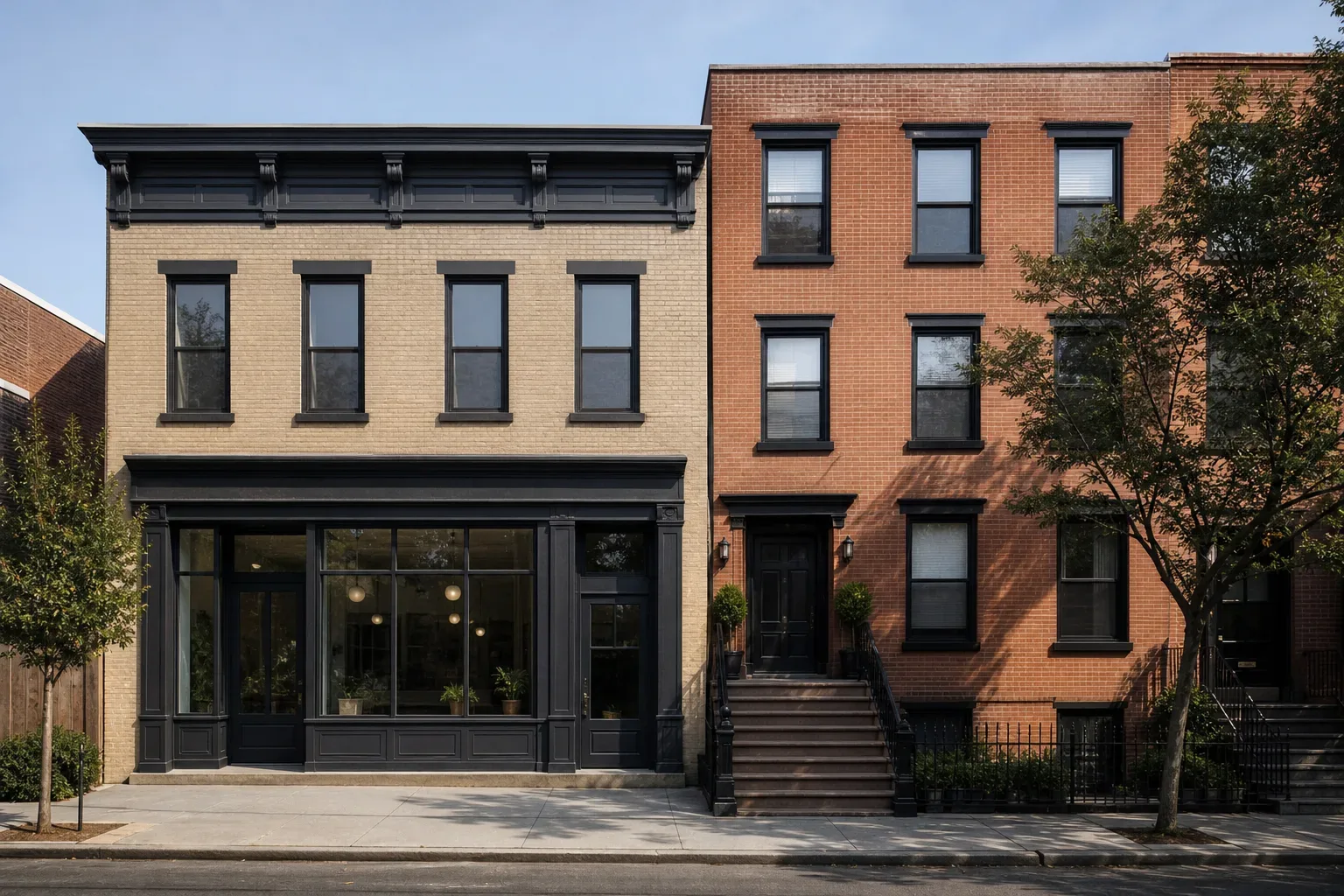
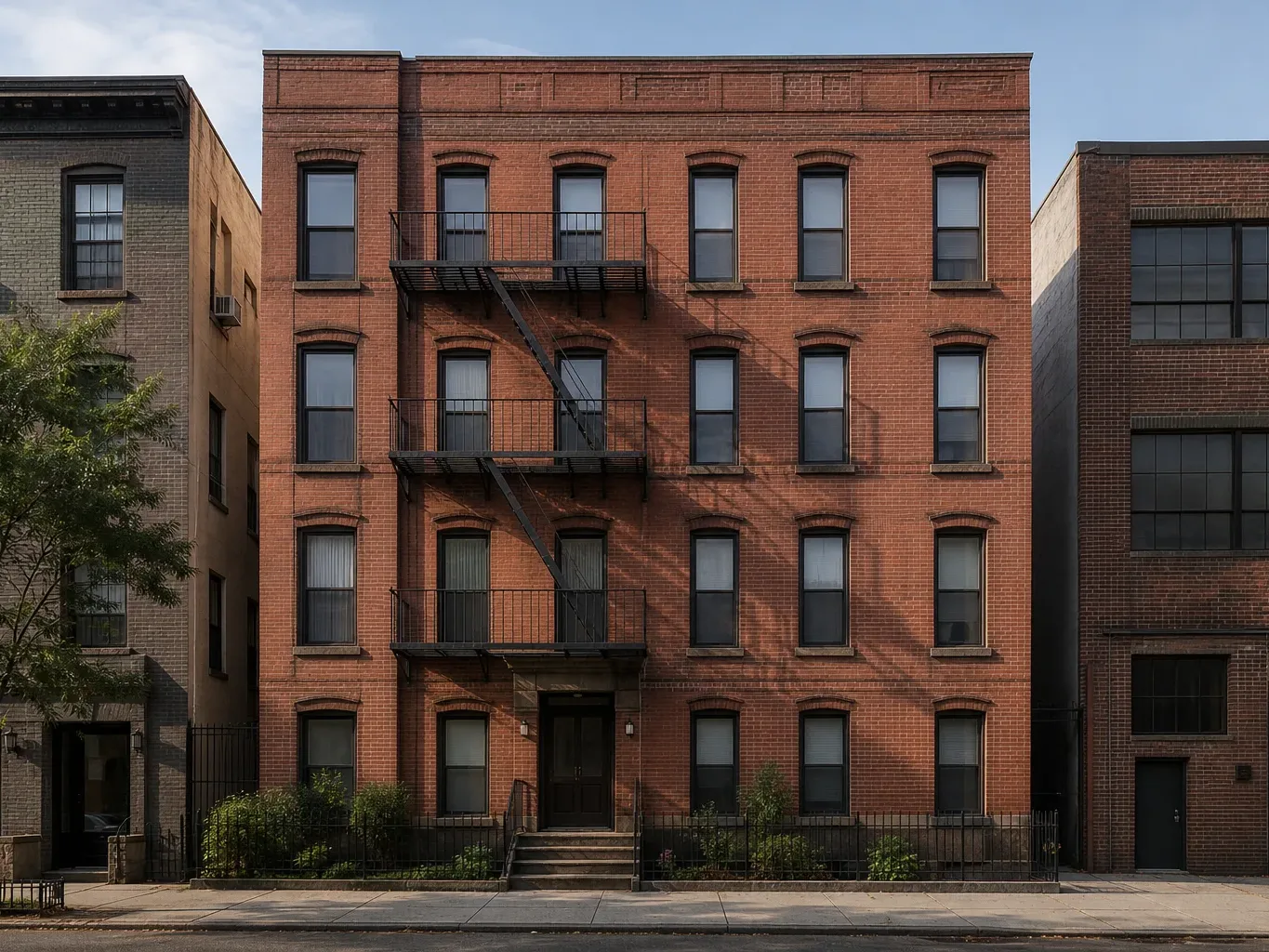
New York City divides land into three broad categories: residential (R), commercial (C), and manufacturing (M). Brooklyn, Kings County, NY contains all three, sometimes within a single block. Each category carries sub-designations, so a C1-2 district and a C6-4 district allow very different uses and building envelopes even though both are technically "commercial."
The New York City Department of City Planning maintains the official zoning map. Brooklyn has seen substantial rezoning activity over the past two decades, particularly in neighborhoods like Gowanus, Sunset Park, and East New York. Any due diligence process must start with confirming the current designation, not relying on what a prior tenant told you or what a listing sheet implies.
Residential Zones with Commercial Overlays
Many Brooklyn blocks carry a commercial overlay mapped on top of a residential base zone. These overlays, labeled C1 through C2, permit ground-floor retail, personal services, and certain eating establishments. The overlay typically extends only to the ground floor. Upper stories remain subject to residential rules, which affects both construction and financing.
Mixed-Use and Manufacturing Zones
M1 zones in Brooklyn, common across Bushwick and parts of Red Hook, permit light manufacturing, warehousing, and certain commercial uses. They do not automatically permit retail or community facilities. M1-1/R6 and similar mixed-use designations were created specifically to allow residential and light industrial uses to coexist, but the permitted uses in each component are not interchangeable.
What Zoning Controls in Practice
Zoning regulates four main variables: permitted use, bulk and height, parking requirements, and lot coverage. Each of these directly affects the business case for a property.
Permitted use is the most immediately relevant. A furniture showroom, a food-manufacturing facility, and a medical office each require specific zoning permissions. Operating a use that is not permitted as-of-right, meaning permitted without a variance, exposes a business to stop-work orders, fines, and forced closure.
Bulk rules dictate floor area ratio (FAR), which caps the total buildable square footage relative to lot size. A lot with an FAR of 2.0 and 5,000 square feet of land can support no more than 10,000 square feet of building. Investors acquiring sites for development need to model FAR limits before underwriting any project.
Parking Requirements by Zone
Commercial zones in Brooklyn typically require off-street parking calculated per square foot of use or per employee, depending on the business type. In certain transit-rich areas, parking requirements are waived or reduced. Understanding whether your site must provide parking, and whether existing parking satisfies that requirement, affects both construction cost and lease negotiations.


Variances, Special Permits, and Rezoning
When a desired use is not permitted as-of-right, three formal pathways exist: a use variance, a special permit, or a full rezoning. Each carries different timelines and success rates.
A use variance from the Board of Standards and Appeals requires demonstrating that the property cannot yield a reasonable return under its current zoning and that the variance will not harm the surrounding neighborhood. This is a high legal bar, and most variance applications take six to eighteen months to resolve.
A special permit is less difficult but applies only to specific uses identified in the zoning resolution. Some special permits are reviewed by the City Planning Commission and can trigger the Uniform Land Use Review Procedure (ULURP), a public review process that adds months to a project timeline.
A rezoning is the most sweeping change, and Brooklyn has seen community-level rezonings reshape entire neighborhoods. Individual rezoning applications are possible but resource-intensive. They are practical mainly for large sites where the development upside justifies the cost and political effort.
How Zoning Affects Commercial Leases and Purchases
A commercial lease that describes a permitted use more broadly than zoning actually allows creates a gap with real legal consequences. If zoning prohibits the tenant's intended use and the landlord represented otherwise, lease disputes and litigation follow. Tenants should confirm permitted use independently before signing.
On the purchase side, a real estate attorney conducting due diligence will verify zoning compliance as part of the title and property review process. That review typically happens within the contract contingency period. In Brooklyn (Kings County), NY, residential closing timelines run 30–60 days from signed contract under normal conditions, but commercial transactions involving zoning complexity often run longer.
Commercial transaction attorney fees generally range from $3,000–$7,500 or more, depending on deal size and complexity. For a transaction that involves a nonconforming use, a pending variance, or a site targeted for rezoning, expect to spend time at the higher end of that range. A standalone contract review before committing to a full transaction costs $500–$1,000, which is a small investment against the cost of a misstep.
Nonconforming Uses - A Hidden Risk in Brooklyn Properties
A nonconforming use is a use that was legal when it began but is no longer permitted under current zoning. Brooklyn's industrial waterfront areas contain many properties operating under this status. Nonconforming uses are protected but fragile: they can be lost if the use is abandoned for a certain period, typically two years under New York City's zoning rules, or if the property is substantially altered.
Buyers acquiring a property relying on a nonconforming use must understand exactly what protection exists and under what conditions it can be lost. A change in business type, a gap in operations, or a major renovation can each eliminate the nonconforming use protection, leaving the buyer with a property they cannot legally operate for the intended purpose.
Due Diligence Steps Before Buying or Leasing Commercial Property
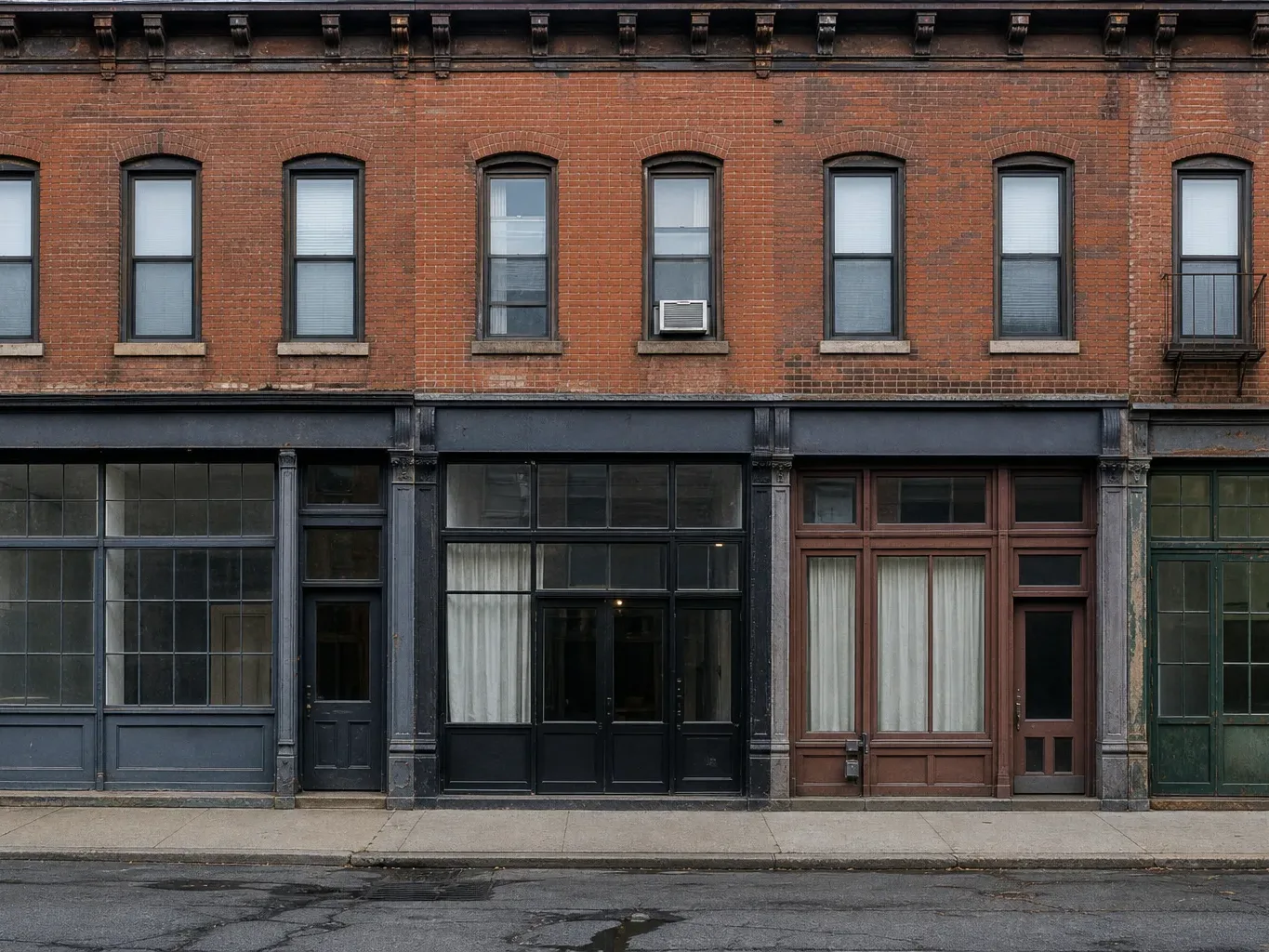
Practical due diligence on zoning should include four concrete steps. First, pull the current zoning designation from the NYC Zoning Map and cross-reference it against the NYC Zoning Resolution for permitted uses. Second, verify whether any pending rezonings or applications affect the block. Third, confirm that the existing Certificate of Occupancy matches the intended use, since a mismatch between the Certificate of Occupancy and the business use creates a separate compliance problem from zoning.
Fourth, engage a real estate attorney before executing any agreement.
New York is an attorney-closing state. That means a real estate attorney, not a title company or escrow officer, represents your interests and guides the transaction. For commercial deals with zoning complexity in Brooklyn, that relationship should start at letter-of-intent stage, not after a contract is signed.

Frequently Asked Questions
What Do Brooklyn NY Zoning Laws Mean for Commercial Property Owners?
Brooklyn's zoning laws determine what uses are legally permitted at a given address, how much square footage can be built, and whether parking is required. Commercial property owners operating a use that isn't permitted as-of-right face fines, stop-work orders, or forced closure. Confirming permitted use before signing a lease or closing a purchase is essential due diligence.
Can I Operate a Retail Business in a Manufacturing Zone in Brooklyn?
Generally no, at least not as-of-right. Standard M1 manufacturing zones in Brooklyn do not permit most retail uses. Some mixed-use designations, like M1-1/R6, allow a limited range of commercial activity alongside light industrial uses, but the retail permissions are not the same as in a commercial zone. Check the specific zoning sub-designation and the NYC Zoning Resolution before signing any lease.
What Is a Nonconforming Use and Why Does It Matter When Buying Brooklyn Commercial Property?
A nonconforming use is a business or property use that was legal when it started but is no longer permitted under current zoning. Many Brooklyn industrial and waterfront properties operate under this status. Protection can be lost if the use is abandoned for roughly two years or if the property undergoes substantial alteration, leaving a buyer without the right to continue the intended business.
How Long Does a Zoning Variance Take in New York City?
A use variance application to New York City's Board of Standards and Appeals typically takes six to eighteen months to resolve. The process requires demonstrating that the property cannot yield a reasonable return under current zoning, which is a high legal standard. Special permits reviewed by the City Planning Commission can also trigger ULURP, adding further months to the timeline.
Do I Need a Real Estate Attorney to Check Zoning Before Buying Commercial Property in Brooklyn?
Yes. New York is an attorney-closing state, so a real estate attorney, not a title company or escrow officer, represents your interests in a transaction. For commercial deals in Brooklyn, the attorney should be engaged at letter-of-intent stage to verify permitted use, review the Certificate of Occupancy, and flag any pending rezonings. Commercial transaction attorney fees typically range from $3,000–$7,500 or more depending on complexity.