Landlord-Tenant Disputes in Brooklyn - When to Hire a Real Estate Attorney
Brooklyn's rental market is one of the most competitive and legally complex in the country. Disputes between landlords and tenants arise constantly, from withheld security deposits in Flatbush to illegal lockouts in Bushwick, and the rules governing those disputes are dense. New York State's landlord-tenant law, combined with New York City's additional tenant protections, creates a layered legal environment that trips up even experienced property owners. Knowing when to bring in a real estate attorney can mean the difference between a resolved dispute and a prolonged, costly battle.

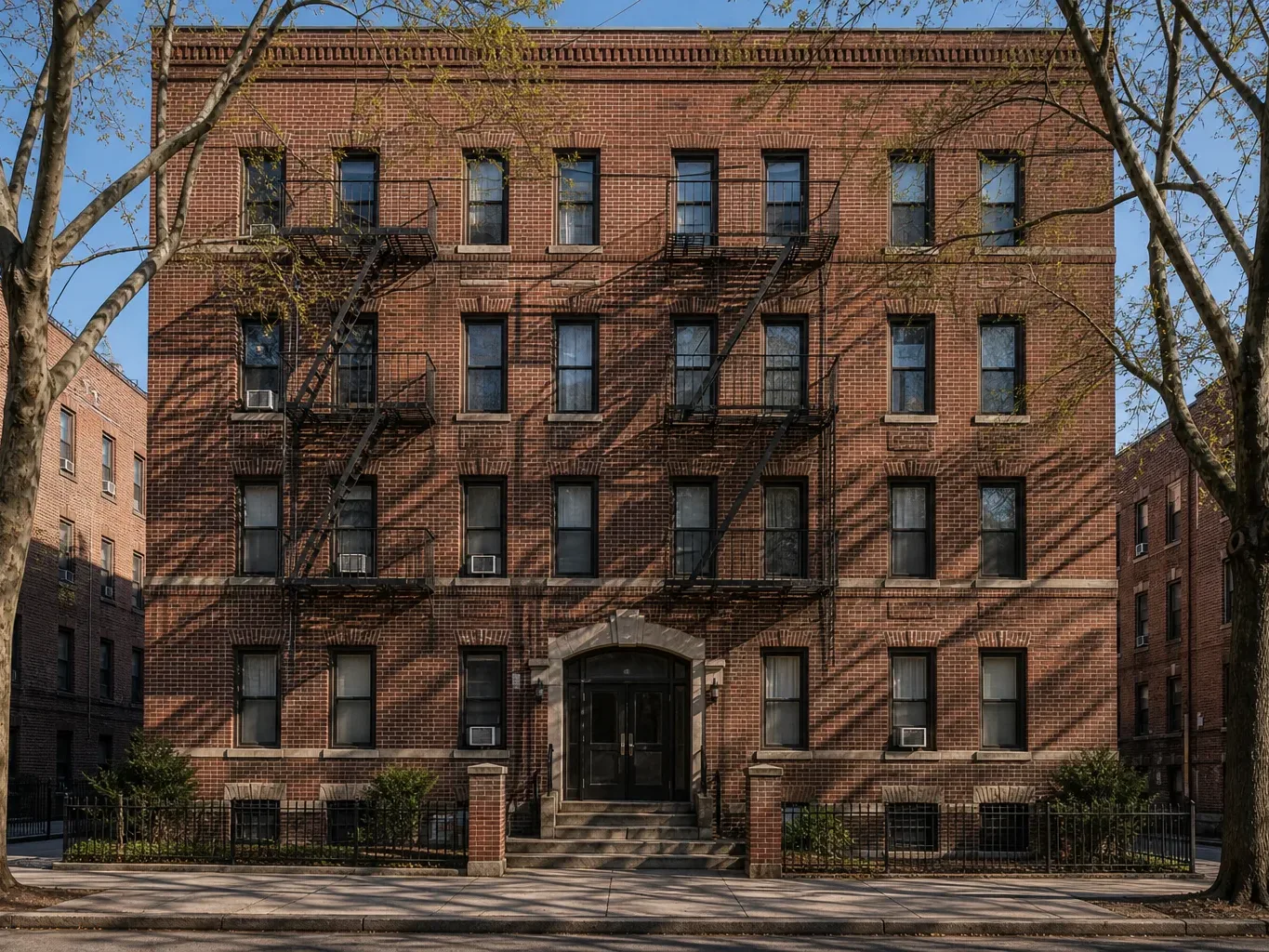
When to Hire a Real Estate Attorney for Dispute Resolution
Retain an attorney as soon as the dispute involves a formal legal proceeding, a significant sum of money, or a threat to your housing or income. Many people wait too long, assuming they can handle Housing Court on their own. New York City's Housing Court system, which handles Brooklyn cases at 141 Livingston Street, has its own procedural rules, filing deadlines, and motion practice. A misstep early in the process can limit your options later.
For tenants, the clearest trigger is receiving a court petition. Whether it's a nonpayment proceeding or a holdover proceeding, you have a limited window to respond, typically a few days after service. Missing that window can result in a default judgment against you. For landlords, the trigger often comes earlier: when a tenant stops paying rent, refuses to vacate after a lease expires, or causes damage exceeding what the security deposit covers.
Below are specific situations where professional legal representation is not optional.
Eviction Proceedings
Landlords in Brooklyn cannot simply remove a tenant. The law requires proper notice, correct court filings, and a judicial order before any removal. Errors in notice language or service method can restart the entire process. Tenants facing eviction have the right to raise defenses, including uninhabitable conditions, retaliatory eviction claims, and improper notice, but those defenses must be presented correctly to be effective.
The Housing Stability and Tenant Protection Act significantly tightened the rules around eviction after 2019. An attorney familiar with Brooklyn Housing Court understands how local judges interpret these rules and what documentation each side needs to prevail.
Security Deposit Disputes
New York law caps security deposits at one month's rent for most residential leases and requires landlords to return deposits within 14 days of the tenant vacating, along with an itemized statement of any deductions. Failure to comply can result in the landlord forfeiting the right to keep any portion of the deposit. Tenants who never receive their deposit back can sue in small claims court for deposits under $10,000, but disputes involving larger amounts or counterclaims for damages benefit from full legal representation.
Rent-Stabilized and Rent-Controlled Tenancies
A significant portion of Brooklyn's rental units fall under rent stabilization. Disputes in these situations, including illegal overcharges, improper deregulation, and preferential rent issues, involve the New York State Division of Housing and Community Renewal as well as Housing Court. These proceedings are procedurally distinct from ordinary landlord-tenant cases. An attorney experienced with rent-regulation law can file or defend overcharge complaints, challenge improper registrations, and seek recovery of overcharged amounts going back several years in some cases.
Harassment and Illegal Lockouts
New York City law prohibits landlords from harassing tenants to force them out. Covered conduct includes cutting off utilities, removing doors or windows, making repeated unannounced entries, and threatening tenants. An illegal lockout, where a landlord physically removes a tenant or changes locks without a court order, is a serious violation. Tenants can seek emergency relief in Housing Court, often the same day, to be restored to possession.
Documenting the harassment and acting quickly is critical, and an attorney can file the necessary emergency papers with speed and accuracy.

Landlord Tenant Dispute Attorney Brooklyn - What to Expect from Representation
A Brooklyn real estate attorney handling a landlord-tenant dispute will assess your position, identify the correct court or administrative forum, and manage filings and appearances on your behalf. The role is distinct from what you'd find in states that use escrow companies or settlement agents. New York is an attorney-closing state, and real estate attorneys here are deeply integrated into every stage of property-related legal matters, including disputes.
For landlords, representation typically covers drafting proper notices to cure and notices of termination, preparing court petitions, and negotiating stipulations of settlement that protect the property owner's long-term interests. For tenants, an attorney can raise habitability defenses, assert counterclaims, and negotiate payment plans or move-out agreements that avoid a formal judgment on the tenant's record.
Costs and Realistic Expectations
Attorney fees for landlord-tenant disputes vary based on complexity. A straightforward nonpayment proceeding with a negotiated resolution costs far less than a contested holdover case that goes to trial. Contract review for a residential lease runs $500–$1,000 as a standalone service. Tenants with low incomes may qualify for free representation through Brooklyn Legal Services or NYC's Right to Counsel program, which provides free legal representation to income-eligible tenants in Housing Court.
Most disputes settle before trial. A realistic timeline from first court appearance to resolution in an uncontested matter is 30–90 days, though contested cases can run longer. An attorney will give you a clearer estimate once they review the specific facts.
Common Mistakes That Make Disputes Worse
Landlords often make the mistake of accepting partial rent payments without a written reservation of rights, which can waive their ability to pursue a nonpayment proceeding for the unpaid balance. Sending rent demands in the wrong format, using the wrong notice period, or serving documents incorrectly are other frequent procedural errors that reset the clock and add cost.
Tenants often fail to document habitability problems before they escalate. Written complaints to the landlord, 311 complaints that generate official records, and HPD inspection reports all become evidence. Without that paper trail, habitability defenses are harder to sustain in court. Continuing to pay rent, even under protest, generally preserves more legal options than withholding it without proper legal guidance.
Lease Disputes and Commercial Tenancies
Commercial leases in Brooklyn, common in neighborhoods like Red Hook, DUMBO, and Crown Heights, are governed by different rules than residential leases. Tenant protections that apply to apartments largely do not apply in commercial settings. The lease terms themselves control almost everything, which makes the initial negotiation and review critical.
For commercial landlord-tenant disputes, attorney fees typically fall in the $3,000–$7,500+ range depending on deal complexity and the stage at which the dispute arises. A commercial eviction for nonpayment can proceed faster than a residential one but still requires proper notice and court filings. Both landlords and commercial tenants benefit from legal counsel before sending formal default notices or vacating a space early, since those actions trigger damages clauses and lease-end obligations that can be financially significant.

Frequently Asked Questions
When Should I Hire a Real Estate Attorney for a Landlord-tenant Dispute?
Hire a real estate attorney as soon as you receive a court petition, face an eviction proceeding, or have a dispute involving a substantial sum of money or your housing. In Brooklyn, Housing Court has strict deadlines, and missing a response window can result in a default judgment. Early legal advice is especially important in rent-stabilized cases, illegal lockout situations, and any matter that involves a formal administrative filing with the New York State Division of Housing and Community Renewal.
What Does a Landlord Tenant Dispute Attorney in Brooklyn Actually Do?
A Brooklyn landlord-tenant attorney handles everything from drafting proper legal notices and court petitions to appearing in Housing Court at 141 Livingston Street on your behalf. For landlords, that includes nonpayment proceedings, holdover cases, and lease enforcement. For tenants, it includes raising habitability defenses, asserting counterclaims, and negotiating settlements that avoid a formal judgment on the tenant's record. Because New York is an attorney-closing state, real estate attorneys here are fully integrated into dispute proceedings, not just closings.
Can a Brooklyn Landlord Remove a Tenant Without Going to Court?
No. Brooklyn landlords must follow a specific legal process that includes serving proper written notice, filing a petition in Housing Court, and obtaining a judicial order before any tenant can be removed. Changing locks, removing belongings, or cutting off utilities without a court order is an illegal lockout under New York City law. Tenants subject to an illegal lockout can seek emergency relief in Housing Court, sometimes on the same day, to be restored to their apartment.
How Much Does It Cost to Hire a Landlord-tenant Attorney in Brooklyn?
Costs vary by case type and complexity. A standalone residential lease review typically runs $500–$1,000. A contested eviction or rent-overcharge proceeding costs more, depending on how many court appearances and filings are involved. Commercial landlord-tenant disputes generally fall in the $3,000–$7,500+ range. Income-eligible tenants in Brooklyn may qualify for free legal representation through NYC's Right to Counsel program or Brooklyn Legal Services, so it is worth checking eligibility before assuming you must pay out of pocket.
What Protections Do Rent-stabilized Tenants in Brooklyn Have in a Dispute?
Rent-stabilized tenants in Brooklyn have the right to lease renewals at regulated rates, protection against illegal overcharges, and protections against improper deregulation of their apartment. If a landlord has overcharged rent, tenants can file a complaint with the New York State Division of Housing and Community Renewal and may recover overcharged amounts going back several years in some cases. An attorney familiar with rent-regulation law can identify overcharge claims, challenge improper registrations, and represent tenants in both Housing Court and administrative proceedings.