Buying a Co-op in Brooklyn - Legal Requirements and Attorney Role
Co-op purchases in Brooklyn operate under a different legal framework than buying a condo or a house. Instead of acquiring real property, you purchase shares in a corporation that owns the building, and those shares entitle you to occupy a specific unit under a proprietary lease. That distinction shapes every stage of the transaction, from the contract through to closing.

How a Co-op Purchase Differs from Other Property Transactions
In a standard Brooklyn home purchase, you take title to real estate. In a co-op purchase, you receive a stock certificate and a proprietary lease, neither of which is recorded with the county clerk the way a deed is. Your lender, if you use financing, issues a share loan rather than a mortgage, and the co-op building itself carries an underlying mortgage that affects the building's financials and your monthly maintenance.
Because no deed is recorded, the transaction skips certain steps familiar to house buyers, such as a title search on the unit itself. The co-op's corporate structure does require its own due diligence, though, covering the building's financial health, house rules, and board approval process.
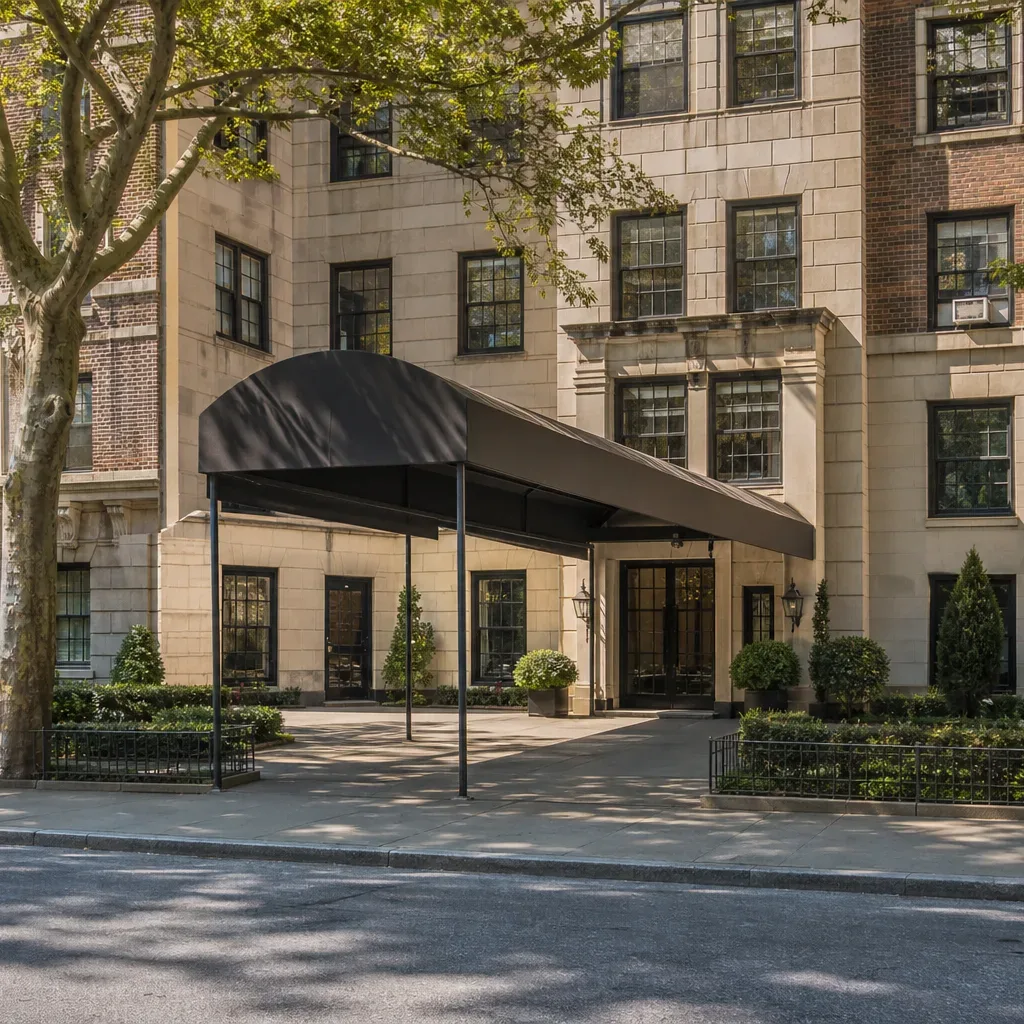
Co-op Purchase Legal Requirements in New York
Co-op purchase legal requirements in New York center on three documents: the purchase application, the proprietary lease, and the recognition agreement between your lender and the co-op.
The recognition agreement defines what happens to your shares if you default on your share loan. Reviewing it carefully matters because the terms vary by building and directly affect your financing options. Most institutional lenders have standard requirements, but some smaller co-ops use outdated forms that create complications.
New York law does not require a specific waiting period before a co-op board can reject an application, and boards are not obligated to explain a rejection. That makes preparing a thorough, well-organized board package essential rather than optional.
The Proprietary Lease
The proprietary lease typically runs 99 years but is renewable and governs your rights as a shareholder-tenant. It covers subletting rules, renovation permissions, pet policies, and the circumstances under which the co-op can terminate your right to occupy the unit. Your attorney should review the lease for provisions that restrict resale, limit subletting to a specific number of years, or impose flip taxes, which are fees paid to the co-op on sale.
Flip taxes in Brooklyn co-ops are common and can range from 1% to 3% of the sale price, or they may be calculated as a fixed amount per share. Knowing this before you sign the purchase contract protects you from an unexpected cost at closing.

Co-op Board Approval Requirements in Brooklyn
Co-op board approval requirements in Brooklyn vary by building, but nearly every board requires a detailed financial package, personal references, and an in-person interview.
Most Brooklyn co-op boards set a minimum debt-to-income ratio and a post-closing liquidity requirement, meaning you must have enough assets left after the down payment to cover a set number of months of maintenance and carrying costs. Common benchmarks are one to two years of combined mortgage and maintenance payments held in liquid assets after closing, though some buildings require more.
The board package typically includes two years of tax returns, bank and brokerage statements, a personal financial statement, employment verification, landlord references, and personal reference letters. Compiling a clean, organized package can take two to four weeks even when you have all the documents ready.
Timeline for Board Approval
Once you submit a complete board package, the board review and interview process generally runs 60–90 days from the signed contract. That is longer than the 30–60 day timeline for a standard Brooklyn residential closing. Budget for that extended window when planning your move date or managing an existing lease.
Some buildings schedule interviews only once a month, so a late submission can push your closing by four to six weeks. Your attorney can confirm the board's meeting schedule with the managing agent early in the process to avoid unnecessary delays.

What a Real Estate Attorney Does in a Brooklyn Co-op Purchase
New York is an attorney-closing state, which means a real estate attorney, not a title company or escrow officer, handles the legal work on your behalf. For a Brooklyn co-op purchase, that role begins at contract review and runs through the closing table.
Contract review for a co-op purchase typically takes 24–48 hours after the attorney receives the signed contract from the seller's counsel. During that window, your attorney negotiates terms including the closing date, any repairs or credits, and provisions related to the board approval contingency. The board approval contingency protects you if the board rejects your application; without it, you could lose your down payment.
Attorney Fees and Closing Costs
Attorney fees for a standard Brooklyn residential co-op closing run $1,500–$2,500 as a flat fee, covering representation through the closing. That figure excludes third-party costs. If you want a standalone contract or lease review without full representation, expect to pay $500–$1,000 for that service alone.
Total closing costs for Brooklyn co-op buyers generally fall in the range of 2%–5% of the purchase price when you account for attorney fees, share loan fees, a UCC filing fee in place of title insurance, move-in deposits, and applicable taxes. Co-op purchases do not require a lender's title insurance policy or an owner's title insurance policy the way a condo or house purchase does, which reduces costs on that line. However, the NYC Real Property Transfer Tax applies to co-op sales above certain thresholds, and the New York State Transfer Tax applies as well. For purchases at $1,000,000 or more, the NYS Mansion Tax applies, adding a percentage to the buyer's cost at that threshold.
What Your Attorney Reviews on Your Behalf
Beyond the contract and the proprietary lease, your attorney should review the co-op's most recent board-approved financial statements, the building's underlying mortgage terms, any pending assessments, and the minutes from recent board meetings. Pending assessments, which are one-time charges levied on shareholders for capital repairs, can add hundreds or thousands of dollars to your carrying costs in the months after closing.
They also coordinate with the managing agent to obtain the recognition agreement, confirm the share allocation for your unit, and arrange the share loan payoff from the seller's lender. At the closing itself, your attorney oversees the transfer of shares and the assignment of the proprietary lease.
Virtual and Remote Closings for Co-ops
Remote and virtual closings are available for eligible Brooklyn co-op transactions under New York State's remote notarization rules. Not every co-op or lender accommodates fully remote closings, so confirm availability early with your attorney and the building's managing agent. Many closings now use a hybrid format where some parties appear remotely while others sign in person.
Scheduling the closing requires coordination among your attorney, the seller's attorney, the managing agent, and both lenders if financing is involved. Giving your attorney enough lead time, at least two weeks before your target closing date, keeps that coordination from becoming the bottleneck.

Frequently Asked Questions
Co-op Board Approval Requirements Brooklyn
Brooklyn co-op boards typically require a detailed financial package including two years of tax returns, bank statements, a personal financial statement, employment verification, landlord references, and personal reference letters. Most boards also set minimum debt-to-income ratios and post-closing liquidity requirements, often one to two years of combined mortgage and maintenance payments held in liquid assets. An in-person interview is standard, and the full board approval process can extend the closing timeline to 60–90 days from the signed contract.
Co-op Purchase Legal Requirements New York
In New York, a co-op purchase requires reviewing and negotiating three core documents: the purchase contract, the proprietary lease, and the recognition agreement between your lender and the co-op. Because you are buying shares in a corporation rather than real property, no deed is recorded, but you must still complete a board application, satisfy the building's financial requirements, and obtain board approval before closing. New York is an attorney-closing state, so a real estate attorney must represent you through this process.
What Is a Proprietary Lease and Why Does It Matter in a Co-op Purchase?
A proprietary lease is the document that grants you the right to occupy your specific unit as a co-op shareholder. It governs subletting rules, renovation permissions, pet policies, flip taxes, and the conditions under which the co-op can terminate your occupancy rights. Your attorney reviews it before you sign the purchase contract to identify any provisions that could limit your ability to rent, renovate, or resell the unit.
How Much Does an Attorney Cost for a Brooklyn Co-op Closing?
Attorney fees for a standard Brooklyn co-op closing run $1,500–$2,500 as a flat fee for full closing representation. If you only need a contract or lease reviewed without full representation, that standalone service typically costs $500–$1,000. These figures cover legal work only and do not include third-party costs such as UCC filing fees, share loan fees, or applicable transfer taxes.
Do I Need Title Insurance When Buying a Brooklyn Co-op?
Standard owner's title insurance and lender's title insurance policies are not required for co-op purchases because you are buying shares in a corporation, not taking title to real property. A UCC filing is used instead to secure the lender's interest in your shares. This distinction reduces closing costs compared to a condo or house purchase, though the NYC Real Property Transfer Tax and New York State Transfer Tax still apply to the transaction.