Brooklyn Residential Real Estate Legal Services - Your Residential Real Estate Lawyer Brooklyn NY

What a Real Estate Attorney Actually Does at Closing
New York is an attorney-closing state, which means a real estate attorney, not a title company or escrow officer, guides transactions from contract through closing. That distinction matters in Brooklyn, where purchase agreements frequently carry rider clauses, board-approval contingencies, and neighborhood-specific title complications. An attorney reviews and negotiates the purchase contract, orders the title search, coordinates payoff figures with lenders, and appears at the closing table to transfer ownership legally. Buyers and sellers who skip legal representation often discover problems only after the deed has changed hands.
A title search typically takes 5–10 business days and costs $300–$600 in Brooklyn. The attorney reviews those results for liens, unpaid taxes, judgment creditors, and easements that could affect the property. Any cloud on title must be resolved before a lender will fund or a buyer will close safely.


Buying a Home in Brooklyn - What to Expect Legally
Most Brooklyn residential purchases follow a 30–60 day timeline from signed contract to closing. Co-op purchases extend that window to 60–90 days because the board package, interview, and approval process add significant steps. An attorney handles the contract negotiation, typically turning around a reviewed and marked-up contract within 24–48 hours of receipt.
Contracts and Contingencies
The contract stage is where legal representation earns its cost. A standard Brooklyn residential purchase contract runs 30-plus pages and includes mortgage contingencies, inspection rights, personal property schedules, and seller representations. Attorneys negotiate riders covering items like closing date flexibility, repair credits, and what happens if the co-op board rejects the buyer. Changes agreed to verbally but never written into the contract are not enforceable.
Transfer Taxes and the Mansion Tax
Brooklyn buyers and sellers each pay separate transfer taxes at closing. The NYC Real Property Transfer Tax, or RPTT, applies to virtually every residential sale in Brooklyn. The New York State Transfer Tax applies on top of that. When a purchase price reaches $1,000,000 or more, the NYS Mansion Tax applies to the full purchase price, paid by the buyer.
An attorney explains exactly which party owes which tax and ensures the figures are reflected accurately in the closing statement.
Title Insurance
An owner's title insurance policy in Brooklyn typically runs $1,000–$2,500 as a one-time premium, scaling with the purchase price. It protects against claims that arise from events before your ownership, including forged deeds, undisclosed heirs, and recording errors. Lenders require their own separate policy; that premium is an additional line item. Your attorney coordinates both policies and confirms coverage is in place before the closing concludes.
Selling a Home in Brooklyn - the Attorney's Role
Sellers often assume the process is simpler than buying. In practice, sellers carry real legal exposure: they must disclose known conditions, ensure the deed is prepared correctly, and satisfy any open liens or judgments before the buyer's attorney will authorize funding. Sellers with existing mortgages, home equity lines, or unpaid contractor judgments need payoff letters coordinated in advance.
Preparing the Contract for Sale
In New York, the seller's attorney drafts the initial purchase contract. That document sets the baseline terms, and the buyer's attorney negotiates from there. A seller who drafts a weak or incomplete contract gives away leverage before negotiations even begin. Attorney fees for a full residential closing in Brooklyn run $1,500–$2,500 as a flat fee, covering the drafting, negotiation, and closing stages on the seller's side.
Closing Costs for Sellers
Brooklyn sellers typically pay the NYC RPTT, the New York State Transfer Tax, attorney fees, and any broker commissions. Sellers of co-op units may also face flip taxes imposed by the co-op corporation. Your attorney prepares a net proceeds estimate before the closing date so there are no surprises at the table.
Neighborhood Considerations Across Brooklyn
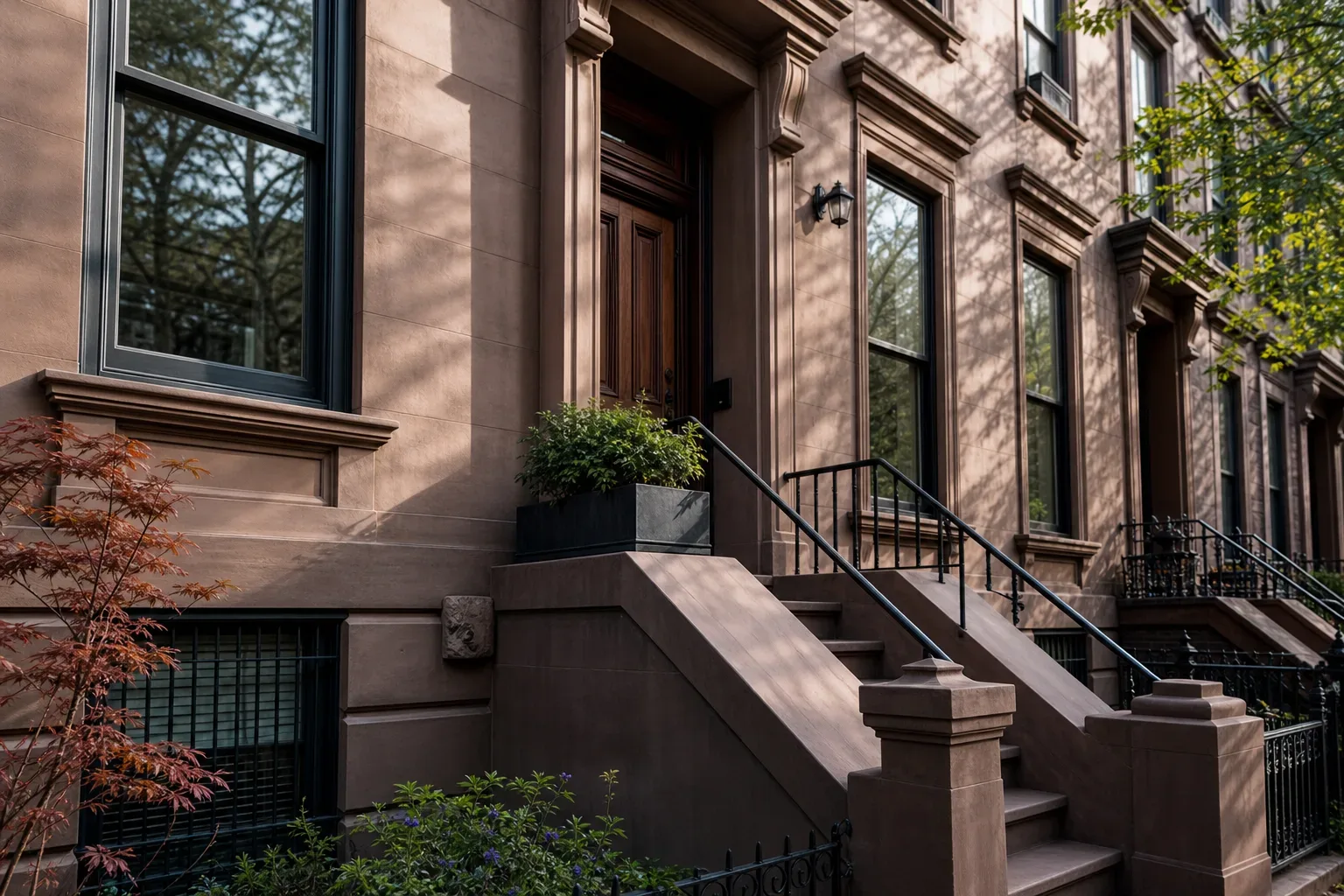
Property type varies significantly across Brooklyn's neighborhoods, and each type carries distinct legal considerations. Brownstone townhouses in Park Slope and Carroll Gardens often have ground-floor rental units with active leases that must be disclosed and, in some cases, terminated before a sale can close. Condos in Williamsburg or DUMBO require review of offering plans, common charge arrears, and building litigation disclosures. Co-ops throughout Flatbush, Crown Heights, and Bay Ridge require board approval and a review of the proprietary lease and house rules.
New construction contracts in Greenpoint or Bushwick typically favor developers heavily, with long construction windows and limited buyer remedies for delays. An attorney reviewing those contracts before signing can negotiate deposit escrow protections and cure periods that the developer would not volunteer.

Virtual and Remote Closings
Remote and virtual closings are available for eligible Brooklyn transactions under New York State's remote notarization rules. Not every transaction qualifies: cash purchases adapt more readily than lender-financed deals, which often require in-person coordination with bank representatives. An attorney can determine early whether your transaction is a candidate for remote closing and arrange the necessary technology and notarization.

Fees for Residential Legal Services
Flat-fee pricing is the standard for Brooklyn residential transactions. A full closing representation, covering contract review through closing, runs $1,500–$2,500 for a standard purchase or sale. Standalone contract review, without full closing representation, costs $500–$1,000 and suits buyers who want a second opinion before signing a contract they will handle otherwise. All-in closing costs for Brooklyn buyers, including attorney fees, title insurance, RPTT, and lender fees, typically land between 2% and 5% of the purchase price.
Firms with 20-plus years of Brooklyn residential experience and 1,000-plus transactions have seen most complications before. That breadth of experience allows an attorney to spot problems early, flag issues a newer practitioner might miss, and close deals that a less experienced team would let fall apart.
Frequently Asked Questions
Do I Need a Residential Real Estate Lawyer?
In New York State, you are not legally required to hire a real estate attorney, but Brooklyn real estate practice strongly favors it. New York is an attorney-closing state, meaning attorneys, not title companies or escrow agents, conduct closings and prepare the deed. Co-op transactions, brownstone sales with tenant occupants, and new construction contracts all carry legal complexity that a non-attorney cannot navigate safely. Most Brooklyn real estate professionals expect both sides to have counsel.
How Much Does a Real Estate Attorney Cost for a Brooklyn Closing?
Most Brooklyn residential attorneys charge a flat fee of $1,500–$2,500 for full closing representation on a purchase or sale. That fee covers contract review, negotiation, title coordination, and attendance at the closing. If you only need a contract reviewed without full representation, expect to pay $500–$1,000. These fees are separate from third-party costs like title insurance, which runs $1,000–$2,500, and the title search fee of $300–$600.
How Long Does a Brooklyn Home Purchase Take from Contract to Closing?
A standard Brooklyn residential purchase closes in 30–60 days from the signed contract when financing is involved. Co-op purchases take longer: the board package preparation, review, and interview process typically push the timeline to 60–90 days. Cash transactions can close faster, sometimes within two to three weeks, depending on how quickly the title search and payoff coordination are completed.
What Taxes Do Buyers and Sellers Pay at a Brooklyn Closing?
Both the NYC Real Property Transfer Tax and the New York State Transfer Tax apply to most Brooklyn residential sales. Sellers typically pay the RPTT on the full sale price. Buyers owe the NYS Mansion Tax on any purchase of $1,000,000 or more, calculated on the full purchase price. Your attorney will provide a closing cost breakdown before the closing date showing exactly which taxes each party owes.
Can I Close on a Brooklyn Property Remotely?
Remote and virtual closings are available for eligible Brooklyn transactions under New York State's remote notarization rules. Cash purchases are more commonly suited to fully remote closings; lender-financed transactions often require at least some in-person coordination. An attorney can assess your specific transaction early in the process and arrange virtual notarization and document signing where the rules permit.