Buying a Condo in Brooklyn - What Your Attorney Reviews Before You Close
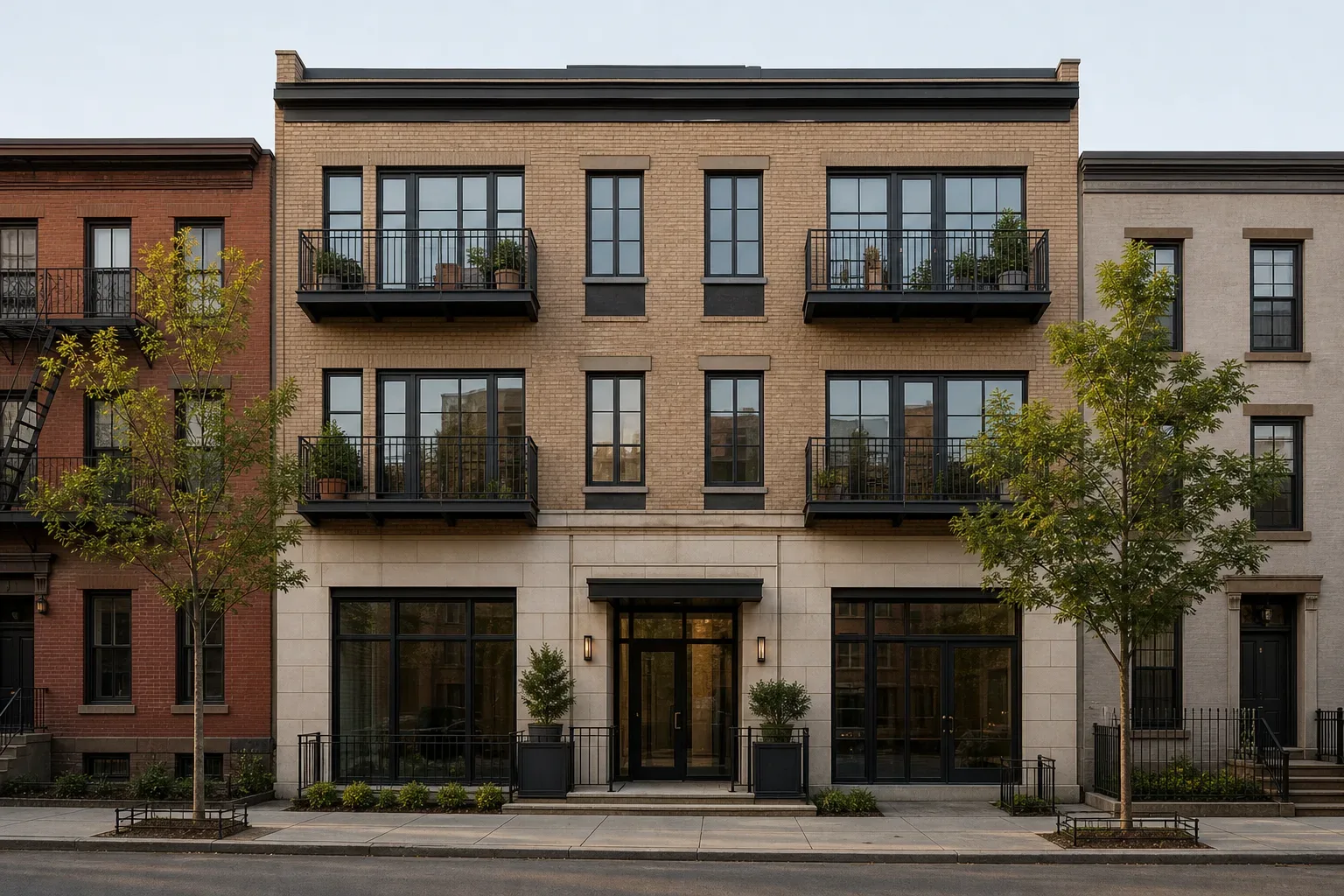
Why Attorney Review Matters in a Brooklyn Condo Purchase
New York is an attorney-closing state, which means a real estate attorney, not an escrow officer or title company, manages your closing. For a Brooklyn condo purchase specifically, that attorney's job begins well before closing day. The documents governing a condominium project can run hundreds of pages, and what's buried inside them determines how you can use your unit, what fees you'll owe, and how protected you are if something goes wrong.
Skipping a thorough document review is not just risky in the abstract. Brooklyn condos have sold with offering plans containing outdated financial projections, bylaws restricting short-term rentals, and common charge histories that reveal ongoing special assessments. A real estate attorney with local experience will spot these issues in time to negotiate, ask questions, or walk away.


The Offering Plan - Your Attorney's First Priority
The offering plan is the foundational legal document for any New York condominium. It was filed with the New York State Attorney General's office when the building was first created or converted, and every amendment filed since then becomes part of the official record. Your attorney will obtain the complete plan, including all amendments, and read it in full.
Amendments deserve particular attention. A building that has accumulated many amendments over its history is not automatically a red flag, but each one needs to be read in context. An amendment might correct a minor disclosure, or it might reveal a significant construction defect that was settled quietly. Your attorney distinguishes between the two.
Key items flagged inside the offering plan include:
- Sponsor unsold units: If the original developer still owns a large share of units, the sponsor controls the board and can make decisions without input from individual owners.
- Budget and reserve fund adequacy: A thin reserve fund means future owners, including you, absorb the cost of major repairs through special assessments.
- Projected versus actual common charges: Offering plans sometimes set artificially low common charges at launch. Your attorney checks whether the current charges reflect reality.
- Warranty and defect disclosures: Any known construction defects disclosed by the sponsor must be assessed for severity and remediation status.
House Rules, Bylaws, and What You Can Actually Do with the Unit
The offering plan sets the legal framework, but the bylaws and house rules govern daily life in the building. Your attorney reviews both documents to identify restrictions that could directly affect how you intend to use the property.
Rental and Sublet Policies
Brooklyn condos vary widely on this point. Some buildings permit rentals with minimal restrictions. Others impose waiting periods, caps on the percentage of units that can be rented simultaneously, or require board approval for each tenancy. If you're buying with the intention to rent at any point, your attorney needs to confirm the exact policy before you sign.
Short-Term Rental Restrictions
New York City Local Law 18, which took effect in 2023, significantly restricted short-term rentals across all five boroughs. Many Brooklyn condo buildings have also added their own prohibitions on platforms like Airbnb in their house rules. Your attorney checks both layers, city law and building rules, so there's no confusion about what's permitted.
Pet, Renovation, and Use Restrictions
Weight limits for pets, prohibitions on certain flooring materials, restrictions on structural alterations, and rules about running a home-based business are all common provisions. These aren't trivial details if they conflict with how you live. Your attorney identifies anything that requires you to seek board approval or that could expose you to fines.
Financial Health of the Condominium Association
The building's finances are as important as the unit itself. Your attorney will review the most recent financial statements and board meeting minutes, typically the last two or three years' worth, to assess the association's fiscal condition.
Reserve Fund Review
A healthy reserve fund is the building's savings account for capital repairs: roof replacement, elevator overhaul, facade work, and similar large expenses. A fund that's chronically underfunded relative to the building's age and deferred maintenance is a warning sign. Buyers who close without knowing this sometimes face five-figure special assessments within a year of purchase.
Pending Litigation and Special Assessments
Board meeting minutes often reveal pending lawsuits, unresolved disputes with contractors, or upcoming special assessments that haven't been formally announced to prospective buyers. Your attorney reviews these minutes specifically to surface information the seller is not required to volunteer.

Title Search and Title Insurance
Your attorney coordinates the title search, which examines Brooklyn property records to confirm the seller holds clean, marketable title to the unit. The search covers existing liens, unpaid common charges, judgments against the seller, and any recorded easements or encumbrances. A standard title search in Brooklyn takes 5–10 business days to complete.
For a Brooklyn residential condo, the title search itself typically costs $300–$600. An owner's title insurance policy, which protects you against defects in title discovered after closing, generally runs $1,000–$2,500 depending on purchase price. Your attorney orders both and reviews the title commitment before closing to confirm there are nothing outstanding that needs to be cleared.
Transfer Taxes and Closing Cost Estimates
Brooklyn condo buyers pay both the NYC Real Property Transfer Tax and the New York State Transfer Tax on most purchases. The RPTT applies to the buyer on new development transactions and to the seller on resales, though the economics of who bears the cost are often negotiated in the contract. The NYS Mansion Tax applies to purchases of $1,000,000 or more and is always paid by the buyer.
Your attorney will give you a closing cost estimate early in the process. Total closing costs for Brooklyn condo buyers typically fall in the range of 2%–5% of the purchase price, covering attorney fees, title insurance, transfer taxes, and lender fees. Attorney fees for a standard residential closing run $1,500–$2,500 as a flat fee, separate from third-party costs.

Contract Review and Negotiation Before You're Committed
The purchase contract is the first document your attorney reviews, usually within 24–48 hours of receipt. In New York, buyers and sellers are not legally bound until both attorneys have reviewed and approved the contract and both parties have signed. That review period is your window to negotiate price adjustments, request specific representations from the seller, or add contingencies.
For buyers who want a standalone contract review without full closing representation, attorneys typically charge $500–$1,000 for that service alone. Most Brooklyn buyers choose full closing representation, which covers contract review through the closing table. Remote and virtual closings are available for eligible Brooklyn transactions under New York State remote notarization rules, though not all transaction types qualify.
A Brooklyn condo purchase typically closes 30–60 days from the signed contract, assuming straightforward financing. Working with a real estate attorney who has 20+ years of experience handling Brooklyn transactions means having someone who can anticipate delays, communicate with the seller's attorney efficiently, and keep your closing on schedule.

Frequently Asked Questions
Buying a Condo in Brooklyn - What to Know?
Brooklyn condo buyers should know that New York requires a real estate attorney to manage the closing, not a title company or escrow officer. Your attorney reviews the offering plan, bylaws, house rules, building financials, and the title search before you commit. Total closing costs typically run 2%–5% of the purchase price, and the NYC Real Property Transfer Tax and New York State Transfer Tax both apply to most purchases. The NYS Mansion Tax applies if you're buying at $1,000,000 or more.
What Is an Offering Plan and Why Does It Matter for a Brooklyn Condo?
An offering plan is the legal document filed with the New York State Attorney General when a condominium is created or converted. It governs the building's structure, finances, and rules, and every amendment filed since the original submission is part of the official record. Your attorney reviews the full plan, including all amendments, to identify construction defect disclosures, budget accuracy, sponsor ownership levels, and reserve fund adequacy.
How Long Does a Brooklyn Condo Closing Typically Take?
A standard Brooklyn condo purchase closes in 30–60 days from the signed contract, assuming standard financing and no title complications. Co-op purchases take longer due to board approval, typically 60–90 days, but condos do not require board approval in the same way. Delays can occur if the title search uncovers liens or if the seller's attorney is slow to respond to requests.
What Does a Brooklyn Real Estate Attorney Cost for a Condo Closing?
Attorney fees for a standard Brooklyn residential closing run $1,500–$2,500 as a flat fee, which covers contract review through the closing itself but excludes third-party costs like title insurance and filing fees. Buyers who want only a standalone contract review without full representation typically pay $500–$1,000 for that service. These fees are separate from total closing costs, which generally fall between 2%–5% of the purchase price.
Can I Rent Out My Brooklyn Condo Unit After I Buy It?
Whether you can rent your unit depends on two layers of rules: the building's bylaws and house rules, and New York City law. Some Brooklyn condos allow rentals freely, while others impose waiting periods, caps on total rentable units, or require board notification. NYC Local Law 18 also significantly restricts short-term rentals across all five boroughs, so your attorney reviews both the building documents and applicable city regulations before you close.