Boundary and Property Line Disputes in Brooklyn - How the Law Applies
Property line disputes are among the most contentious issues a Brooklyn homeowner can face. A neighbor who paves over a shared boundary, a fence built two feet into your yard, or a garage wall that crosses the survey line: each scenario can affect your property value, your ability to sell, and your peace of mind. Understanding how New York law handles these conflicts helps you move from frustration to resolution.
Why Brooklyn Disputes Are Especially Complex
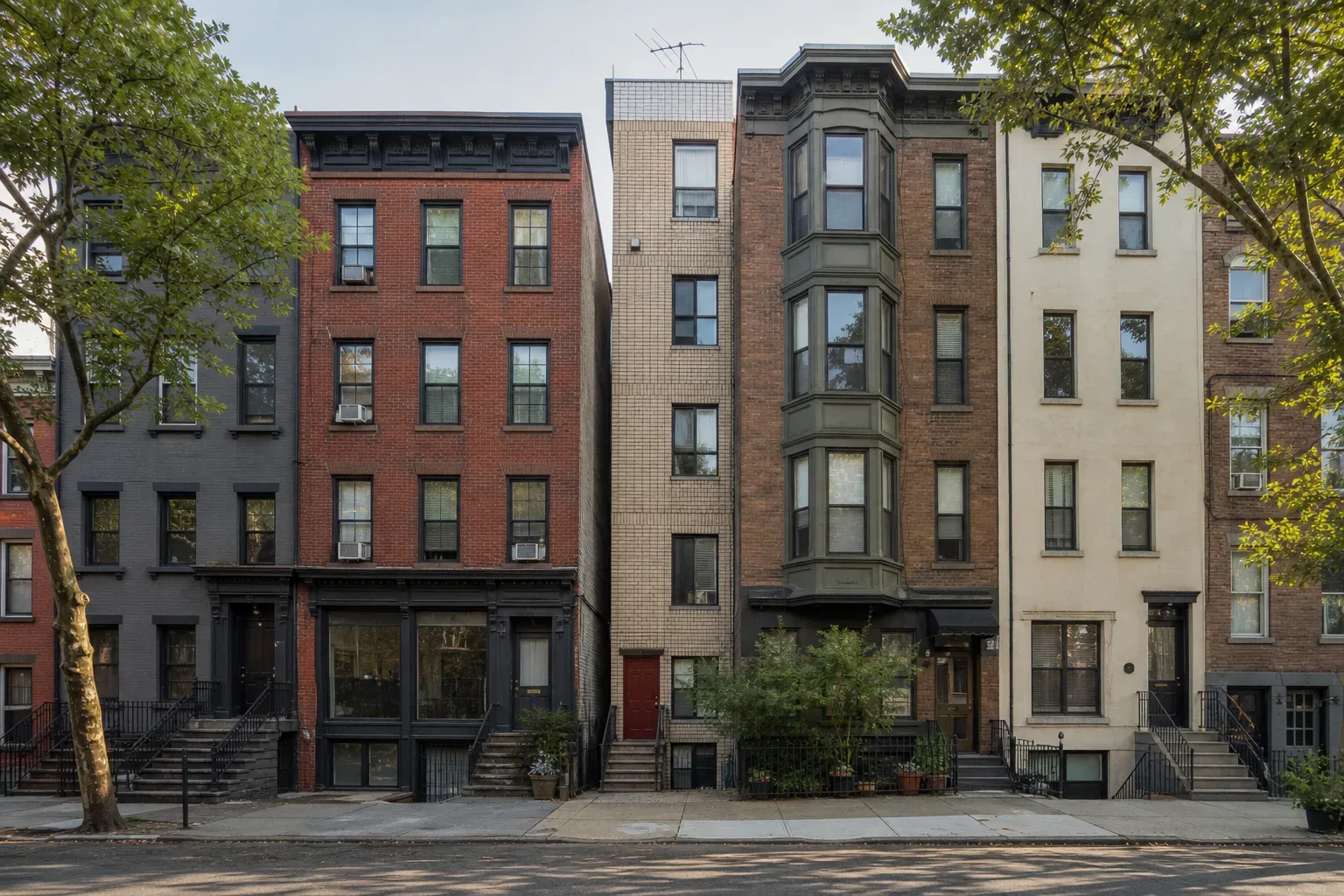
Brooklyn's housing stock is dense, old, and layered with decades of informal agreements. Row houses in Park Slope, semi-detached homes in Bay Ridge, and multi-family buildings in Flatbush share walls and lots measured by surveys that may be 50 or more years old. Measurements shift over time as monuments erode, fences drift, and lots get subdivided without clean legal descriptions.
The borough is also subject to multiple overlapping rules. Kings County property records, New York City zoning regulations, and New York State real property law all apply simultaneously. A boundary problem that looks simple on its face can involve easements, adverse possession claims, and title defects that require careful untangling.
What Counts as a Property Line Dispute
A property line dispute arises any time two parties disagree about where one owner's land ends and another's begins. Common triggers include:
- A fence, wall, or structure that sits on or over the legal boundary
- A driveway, shed, or addition that encroaches onto an adjacent lot
- A neighbor claiming a right to cross your land based on long-term use
- Conflicting survey results from different surveyors
- A deed description that doesn't match physical conditions on the ground
Encroachment is the most frequent complaint. If a neighbor's structure physically occupies part of your lot, you have the right to demand its removal, seek compensation for the occupation, or negotiate a formal boundary line agreement.
How New York Law Addresses Boundary Conflicts
Adverse Possession
New York's adverse possession statute is one of the first legal doctrines a Brooklyn property owner needs to understand. If a neighbor has openly and continuously occupied a strip of your land for ten years, they may be able to claim legal ownership of it. The occupier must use the land as an owner would, without your permission, and must have paid property taxes on the disputed strip under amendments made to the law in 2008.
This rule cuts both ways. If you have been maintaining a strip of adjacent land for years, you may have a claim. If your neighbor has been encroaching without objection, you may be inadvertently strengthening their case.
Easements and Rights of Way
An easement gives someone the right to use part of your property for a specific purpose without owning it. Common examples in Brooklyn include shared driveways, utility lines running under a side yard, and pedestrian access paths between buildings. Easements can be created by deed, by long-term use, or by necessity when a parcel has no other access to a public street.
Disputed easements often surface during a title search, which takes 5–10 business days to complete. A thorough search of Brooklyn property records can reveal recorded easements that neither current owner knew existed.
Boundary Line Agreements
When two neighbors agree on where the line actually sits, they can memorialize that agreement in a written boundary line agreement recorded with the Kings County Clerk. This approach is faster and less expensive than litigation. It requires both parties to sign, and both should have independent legal counsel to ensure the agreement is enforceable.
A boundary line agreement does not extinguish existing mortgage liens, so lender consent may be required if the line adjustment changes the collateral securing a loan. Your real estate attorney can identify that issue before you sign.
Court Proceedings for Title Disputes
When negotiation fails, New York provides a formal judicial process for determining who holds title or rights to a disputed property. A proceeding filed in New York Supreme Court, Kings County, can compel a definitive ruling on ownership, easements, or boundary locations. These cases can take months to years depending on court scheduling and the complexity of the title history involved.
Litigation is typically a last resort. Court costs, attorney fees, and the time required make negotiation and mediation worth exhausting first. That said, if a neighbor refuses to remove an encroaching structure or contests your ownership, a court filing may be the only path to a binding resolution.
The Role of a Survey
A current survey is the factual foundation of any boundary dispute. Brooklyn buyers often rely on surveys from prior closings, but those can be years or decades old. Conditions change. A licensed New York land surveyor will physically locate boundary monuments, measure the lot, and produce a diagram that shows the legal boundary relative to existing structures.
If a dispute is headed toward negotiation or litigation, both parties typically obtain independent surveys. When surveys conflict, the dispute becomes a question of which survey methodology and which historical deed descriptions are more reliable. A real estate attorney familiar with Brooklyn title history can evaluate that question and present the stronger argument.
What Your Attorney Does in a Dispute
A real estate attorney, not a closing agent or settlement agent, is the appropriate professional for boundary disputes in New York. New York is an attorney-closing state, meaning attorneys handle real property legal matters directly rather than through escrow companies common in other parts of the country.
Your attorney can review deeds, survey documents, and title records; draft or respond to demand letters; negotiate boundary line agreements; and represent you in court if necessary. Contract review of a disputed boundary agreement typically costs $500–$1,000 as a standalone matter. Full dispute representation, including court filings, is priced based on complexity.
For property owners facing a dispute while also buying or selling, the timing matters. A buyer's attorney will flag a boundary problem during the contract review period, which has a standard turnaround of 24–48 hours after the contract is received. Sellers should resolve or disclose boundary issues before listing, since an unresolved encroachment can delay or kill a closing.
Practical Steps When You Suspect a Dispute
Get a Current Survey First
Before confronting a neighbor or sending a demand letter, confirm your position. Commission a new survey from a licensed New York surveyor. The survey will either confirm the encroachment or show that the existing fence or structure is within the neighbor's rights. Starting with facts prevents a dispute from escalating based on assumptions.
Document the Situation
Photograph the encroachment, the fence line, and any existing markers. Note how long the condition has existed, because the adverse possession timeline is directly relevant. Gather any prior surveys, deeds, and correspondence you have about the boundary.
Consult a Brooklyn Real Estate Attorney Early
Early legal advice is almost always cheaper than late legal intervention. An attorney can evaluate your title, assess the strength of an adverse possession claim if one is developing, and advise whether a boundary line agreement or court proceeding is the appropriate route. Engaging counsel before sending any written demand protects your position and avoids statements that could complicate your case later.
A property line dispute Brooklyn NY property owners face rarely resolves itself. Boundaries do not move back on their own, and informal arrangements between neighbors are difficult to enforce without documentation. Acting promptly and with legal guidance gives you the best chance of protecting what is yours.
Frequently Asked Questions
How Long Does It Take to Resolve a Property Line Dispute in Brooklyn?
Timeline varies by method. A negotiated boundary line agreement can be reached in weeks if both parties cooperate. Court proceedings in Kings County can stretch from several months to multiple years depending on complexity and court scheduling. Getting a current survey and consulting a real estate attorney early tends to shorten the overall process.
What Is Adverse Possession and Does It Apply to Brooklyn Properties?
Adverse possession is a New York law that allows someone who has openly occupied another's land for ten continuous years, without permission and while paying property taxes on that strip, to claim legal ownership. It applies fully to Brooklyn properties. If a neighbor has been using part of your lot for years without your consent, you should consult an attorney promptly to stop the clock on any potential claim.
Do I Need a New Survey Even If I Have One from My Closing?
A survey from a prior closing may be years or decades old. Structures, fences, and lot conditions change over time. For a boundary dispute, a current survey from a licensed New York land surveyor gives you an accurate picture of where the legal boundary sits relative to existing conditions, which is essential for any negotiation or legal proceeding.
Can a Boundary Line Agreement Resolve a Dispute Without Going to Court?
Yes. When both neighbors agree on the boundary location, a written boundary line agreement recorded with the Kings County Clerk creates a legally binding record. This avoids litigation costs and court delays. Both parties should have independent legal representation before signing, and lender consent may be needed if the adjustment affects mortgaged property.
How Much Does It Cost to Hire a Real Estate Attorney for a Boundary Dispute in Brooklyn?
Cost depends on the scope of work. A standalone review of a boundary agreement or disputed contract typically runs $500–$1,000. Full dispute representation, including negotiations and potential court filings, is priced based on the complexity of the title history and whether litigation becomes necessary. Consulting an attorney early, before the dispute escalates, usually keeps overall costs lower.